
Surfaces Designed for Real Traction and Durability
Silica Epoxy in Long Island for spaces requiring textured, slip-aware flooring
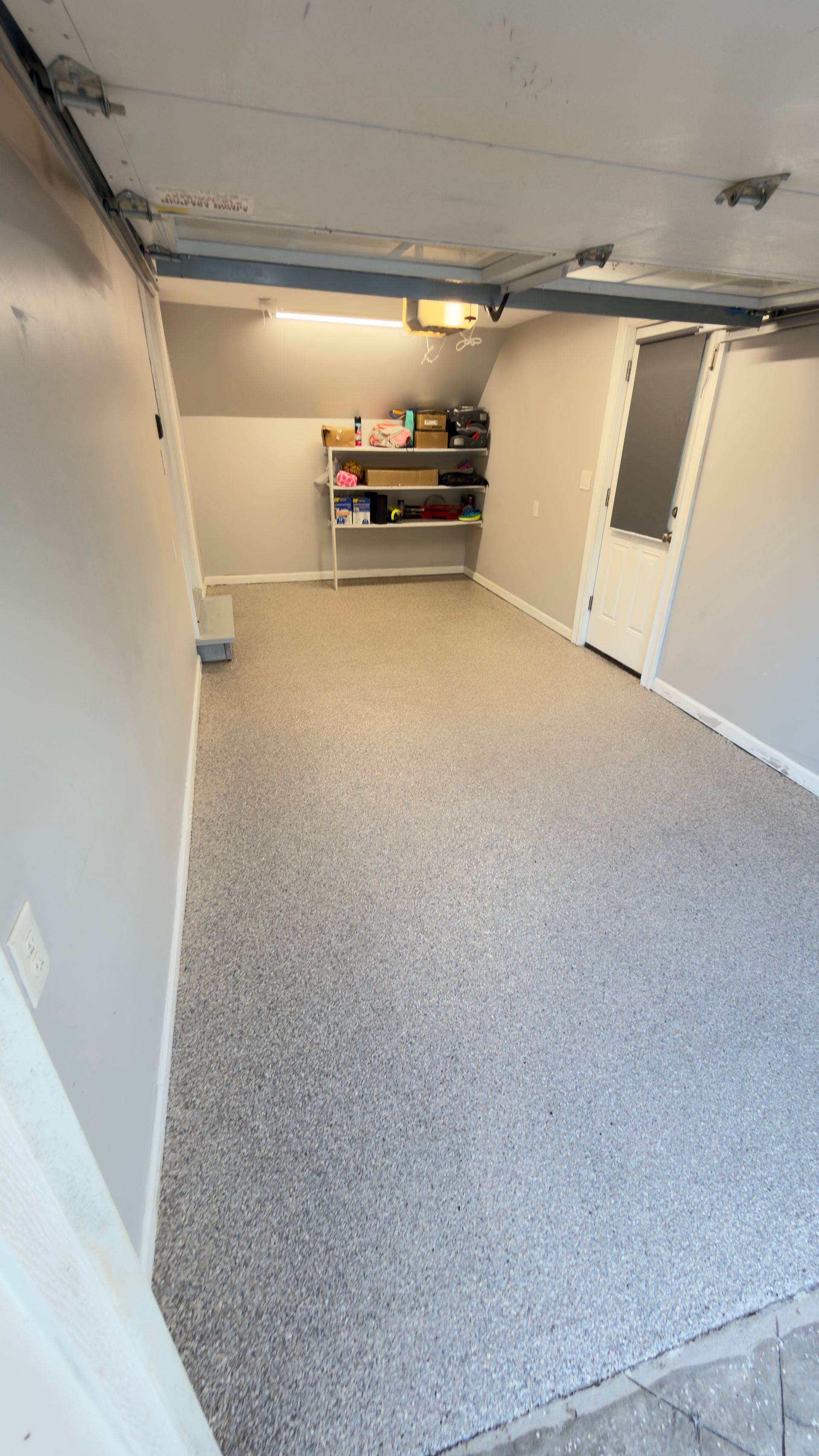
Silica epoxy flooring incorporates broadcast silica aggregate into the coating system during application, creating a textured finish that differs visibly and functionally from smooth epoxy surfaces. Seal N' Shine Co applies silica epoxy systems across Long Island for clients who need floors that combine chemical resistance with surface texture. The finished floor displays a consistent granular appearance, and the degree of texture depends on the silica grit size selected and whether the final topcoat fully encapsulates the aggregate or leaves portions exposed.
The silica is broadcast by hand onto wet epoxy, bonding mechanically as the coating cures, which means the texture becomes a permanent part of the floor rather than an applied treatment. Substrate preparation determines how well the system performs—any existing coatings, contaminants, or moisture issues must be addressed before installation, particularly in older Long Island properties where concrete slabs may have absorbed years of exposure.
Schedule an on-site evaluation to discuss substrate condition, intended use, and the silica system that matches your flooring requirements.
How Silica Changes the Flooring Surface
The silica aggregate is applied while the base epoxy coat remains tacky, allowing the granules to embed into the resin before a topcoat seals the system. The size of the silica particles affects both the visual appearance and the amount of texture underfoot—finer grades produce subtle texture, while coarser grades create pronounced surface variation that you can see and feel immediately.
After the system cures, the floor displays a uniform matte or semi-gloss finish with visible granular texture throughout, depending on how much topcoat is applied. Seal N' Shine Co selects silica grit size and topcoat depth based on the space's function, whether that involves light foot traffic, wheeled carts, or wet conditions that make smooth floors less practical. The texture remains consistent across the floor because the broadcast method distributes aggregate evenly during application.
System selection should account for cleaning requirements, since textured surfaces retain debris differently than smooth coatings, and the level of texture affects how easily the floor can be mopped or pressure-washed over time. Facilities with frequent washdowns may require different silica grades than spaces where dry sweeping is the primary maintenance method.
What Property Owners Need to Know
Long Island clients often ask about silica epoxy when evaluating flooring options for commercial kitchens, workshops, or loading areas where surface texture matters as much as durability.
What type of texture does silica epoxy create?
The texture depends on the silica grit size broadcast into the epoxy—finer particles produce a subtle sandpaper-like feel, while coarser grades create noticeable surface variation that you can see and feel underfoot.
How is the silica incorporated into the flooring system?
Silica aggregate is broadcast by hand onto wet epoxy, where it bonds mechanically as the coating cures, then a topcoat seals the system and determines whether the aggregate is fully encapsulated or partially exposed for greater texture.
When should substrate condition be evaluated?
Before any silica epoxy installation, the concrete must be assessed for moisture, existing coatings, and surface contamination, since these factors affect adhesion and long-term performance across Long Island properties where concrete age and exposure history vary widely.
What factors influence system selection?
The intended use of the space, frequency of wet cleaning, type of traffic, and desired maintenance approach all guide the choice of silica grade, topcoat thickness, and overall system design.
How does silica epoxy differ from smooth epoxy?
Smooth epoxy provides a glossy, easy-to-clean surface, while silica epoxy sacrifices some of that smoothness to add texture, which changes both the appearance and the way the floor interacts with foot traffic and cleaning equipment.
Seal N' Shine Co evaluates substrate conditions and discusses the appropriate finish for each space before recommending a silica epoxy system. Request a consultation to review your Long Island property and determine the silica grade and topcoat configuration that fit your flooring needs.